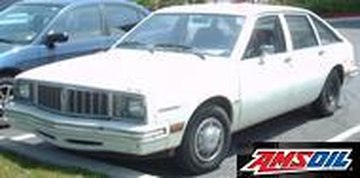
Engine Lubrication and Maintenance for the 1982 Pontiac PHOENIX 2.8L
Maintaining a vehicle from the early 1980s requires a shift in perspective compared to modern automotive care. For an owner of a 1982 Pontiac Phoenix equipped with the 2.8L engine, routine service is not just about following a schedule; it is about monitoring the physical condition of aging components and ensuring that the lubrication system remains effective despite the passage of decades.
Monitoring Fluid Integrity and Potential Leaks
As vehicles age, the materials used in gaskets and seals can undergo changes in elasticity. For the 1982 Pontiac Phoenix, regular visual inspections are a primary tool for identifying potential issues before they escalate. When performing routine maintenance, it is helpful to look for signs of fluid seepage around various engine junctions. This does not necessarily indicate an immediate failure, but rather provides a baseline for what is normal for this specific engine.
If you notice any accumulation of oil in the engine bay or on the ground beneath the vehicle, it warrants closer investigation. Such observations can be associated with several different factors, ranging from simple seal aging to loose mounting hardware. Rather than attempting to diagnose a specific component based solely on a visual observation, use these signs as prompts for a more thorough inspection of the area where the fluid is most concentrated.
Additionally, checking the condition of hoses and electrical connections during an oil service is a practical way to manage long-term maintenance. While not directly related to lubrication, ensuring that the surrounding environment of the 2.8L engine is free from brittle lines or frayed wiring helps prevent secondary issues that could complicate future mechanical work.
Observing Changes in Lubricant Condition
The quality and appearance of the engine oil can provide significant information regarding the internal state of the engine. When checking the oil level, pay close attention to the color and texture of the fluid on the dipstick. While some discoloration is expected as oil undergoes its service life, extreme changes in appearance should be noted.
If the lubricant appears excessively dark or contains visible particulates, it may indicate that the oil has been subjected to high thermal stress or that the filtration process is not keeping up with contaminants. Furthermore, if you notice an unusual odor during an oil change, such as a strong scent of fuel, this can be associated with various combustion or fuel system conditions and should be investigated by a professional.
It is also important to monitor for any unexpected consumption of oil between service intervals. If the vehicle requires more frequent top-offs than previously noted in your maintenance records, this change in behavior is a signal to inspect the engine's sealing surfaces and overall health. Always remember that symptoms like unusual odors or changes in fluid color can have multiple causes; they are indicators for further inspection rather than definitive proof of a single failed part.
Prioritizing Long-Term Engine Care
For an owner of a 1982 model, establishing a maintenance baseline is one of the most effective ways to manage the vehicle's longevity. If you have recently acquired this Phoenix, reviewing any available service history can help you understand what has already been addressed and what might be approaching the end of its service life. If no records exist, your first priority should be to document every fluid change, filter replacement, and inspection performed moving forward.
Effective maintenance prioritization involves distinguishing between preventive care and reactive repairs. For example, addressing a small, slow seepage during a scheduled oil change is often more manageable than dealing with a significant leak that occurs unexpectedly. By staying proactive, you can manage the aging process of the 2.8L engine through consistent monitoring rather than sudden, costly interventions.
When managing an older vehicle, it is wise to use the current physical condition of the car as your guide. Rather than assuming certain parts must be replaced simply because of the vehicle's age, focus on components that show actual signs of wear, such as cracking in belts (if equipped) or hardening of rubber components. This approach ensures that maintenance efforts are directed where they are most needed.
The Role of Lubrication in Engine Health
Engine oil performs several vital roles that are essential for the continued operation of the 2.8L engine. Beyond simply reducing friction between moving parts, the lubricant acts as a medium for heat management, helping to carry thermal energy away from high-temperature areas within the engine block. It also serves to suspend and transport microscopic contaminants toward the oil filter, preventing them from accumulating in sensitive areas.
Maintaining clean and fresh oil is critical for controlling the buildup of deposits. Over time, the chemical breakdown of oil can lead to the formation of sludge, which can interfere with the smooth operation of various engine components. Regular service ensures that the additive package within the oil—designed to combat oxidation and neutralize acids—remains at effective levels.
Practical Steps for Effective Service
When performing an oil change on this Pontiac Phoenix, ensure that you are using the correct application-specific parts. This includes selecting a filter that matches the engine's requirements and ensuring all sealing surfaces are clean before assembly. A clean workspace and organized approach to maintenance not only make the job easier but also reduce the risk of introducing contaminants into the system during the refill process.
If you are performing the service yourself, always verify that the vehicle is on a stable, level surface to ensure an accurate oil level reading. After completing the service, it is a good practice to run the engine for a short period and then re-check the level once the oil has settled. This helps confirm that the system is properly filled and that no immediate leaks are present at the drain plug or filter area.
Buying Engine Oil for your 1982 Pontiac PHOENIX 2.8L
When it comes to selecting a new lubricant, the most important step is to match the product to the specific requirements of your engine. For this 1982 Pontiac Phoenix 2.8L, you should use the vehicle-specific oil viscosity and application information that is displayed on this webpage.
Before making a purchase, carefully review the product labels to ensure the oil meets the appropriate API service classifications. Depending on your specific needs and the current condition of your engine, you may encounter various formulations, including conventional oils, synthetic blends, or full synthetic options. Some high-mileage oil formulations also contain additives intended for use in aging engines, such as seal-conditioning agents. However, rather than choosing a type based on general assumptions about the vehicle's age, always prioritize the viscosity and specifications provided in the application data above to ensure compatibility with your 2.8L engine.